February 25, 2026
Your vehicle does more than get you from point A to point B. It protects you, reflects your personal style, and represents a major investment. When something goes wrong with its exterior or structural components, it is not just about appearances. It's about safety, performance, and long-term value. Maintaining your vehicle properly ensures it continues to perform as intended and sustains your confidence behind the wheel.
Many drivers delay auto body repairs because they believe the damage is minor or purely cosmetic. However, small issues can quickly escalate into larger and more expensive problems. Recognizing the warning signs early can help you address damage before it compromises your vehicle's integrity or your safety on the road. Being proactive about repairs not only saves money but also helps avoid unexpected breakdowns or safety hazards.
1. Identify Visible Exterior Damage Early
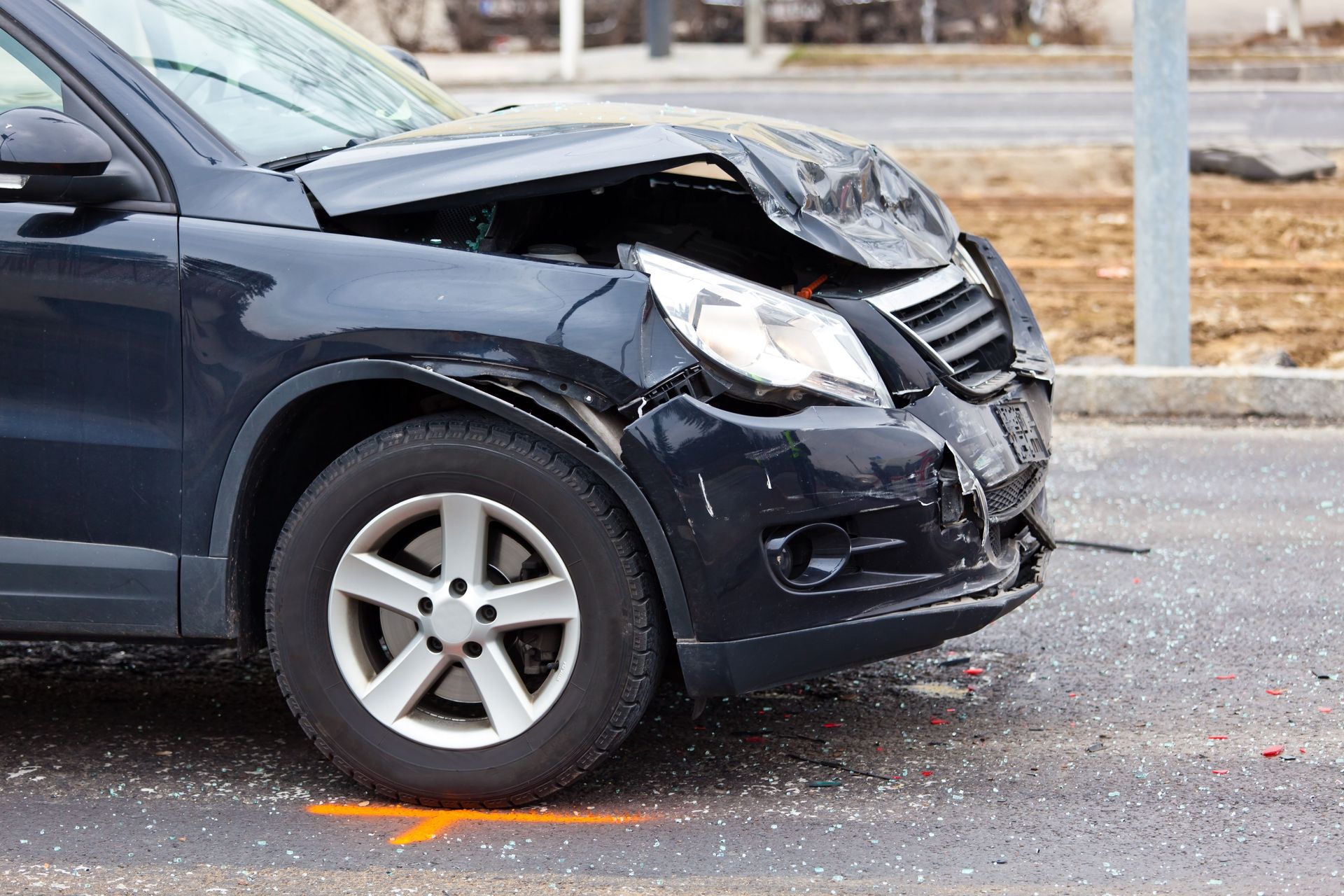
One of the most obvious signs your vehicle needs professional attention is visible exterior damage. Dents, dings, and cracked panels often result from parking lot incidents, minor collisions, or road debris. Even if the damage appears small, it can weaken the surrounding structure and affect how your vehicle absorbs impact in the future. Early detection and repair of these problems can make the difference between a quick fix and a major structural overhaul.
When metal panels are bent or creased, the protective paint layer may also be compromised. This can expose the underlying material to moisture and air, leading to corrosion over time. What starts as a small dent can eventually turn into rust that spreads across a larger section of the body. Once corrosion begins, it often spreads invisibly beneath the surface, making it harder and more costly to repair later.
Cracked or misaligned panels may also affect how doors, the hood, or the trunk open and close. If you notice resistance, uneven gaps, or unusual noises when operating these components, it is a strong indicator that professional auto body repairs are necessary. Structural alignment is critical to maintaining your vehicle's overall performance and safety.
Addressing dents and cracks promptly helps preserve your car's value and prevents additional damage. Trained technicians have the tools and expertise to restore panels to their original shape and ensure a seamless finish that protects the vehicle for years to come. Their attention to detail ensures that repairs meet manufacturer standards and maintain your car's original integrity.
2. Address Paint Damage and Prevent Rust Spread
Paint does more than enhance your vehicle's appearance. It acts as a protective barrier against moisture, road salt, and environmental contaminants. When paint begins to peel, bubble, or fade unevenly, it is a sign that the underlying surface may be vulnerable.
Rust is a cause for concern because it spreads beneath the surface. A small rust spot can quickly expand, weakening metal components and compromising structural integrity. If left untreated, corrosion can affect critical areas such as wheel wells, door frames, and even the vehicle's frame. Regular inspections can catch these issues before they threaten major components and resale value.
According to IBISWorld, the U.S. auto mechanics industry market size exceeds $89.6 billion. This reflects the ongoing need for maintenance and professional services, including auto body repairs, to keep vehicles safe and roadworthy. Drivers who address paint and rust issues early are less likely to face extensive and costly restoration later.
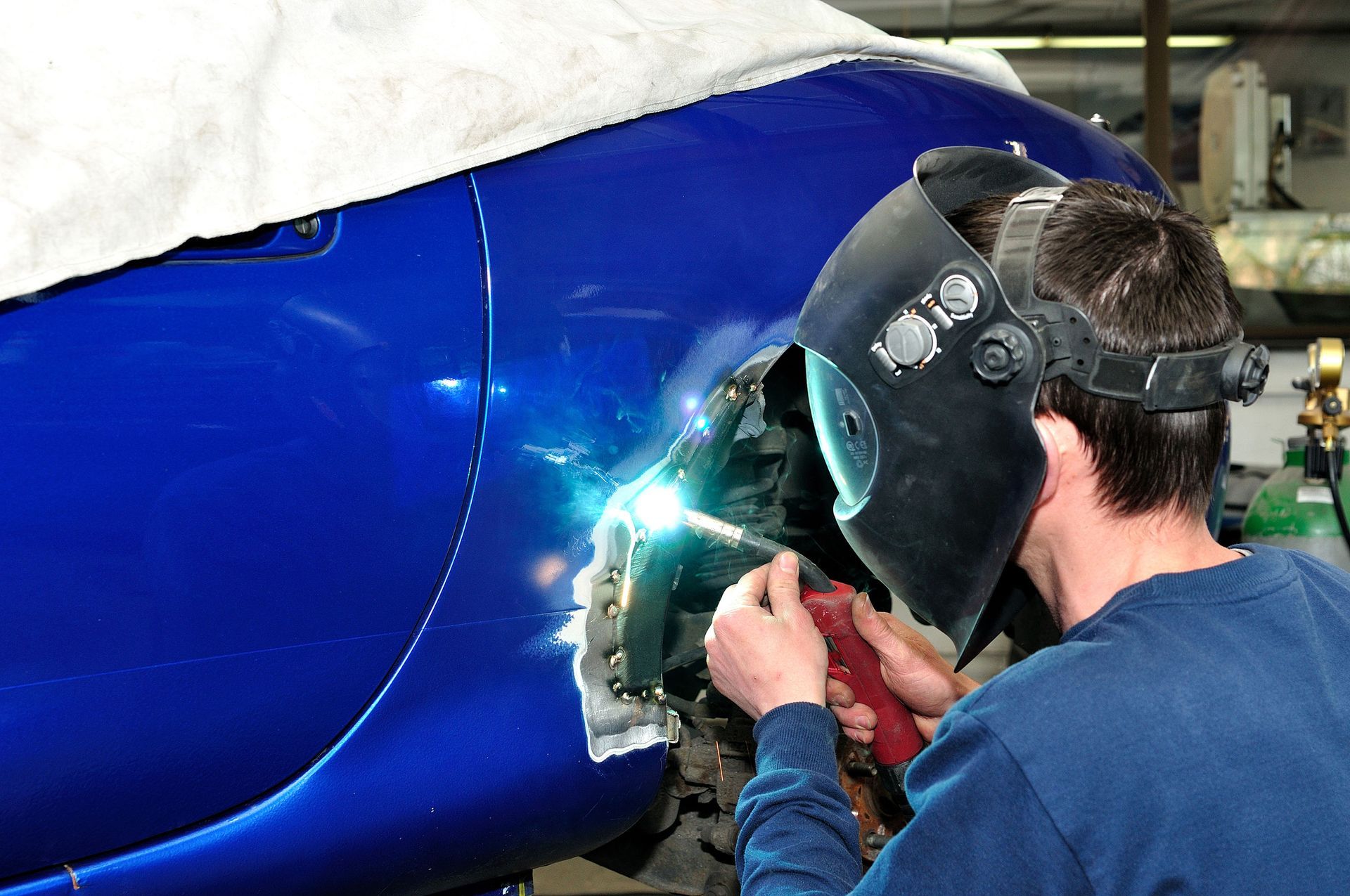
Professional technicians can remove rust, treat affected areas, and apply high-quality finishes that restore both protection and appearance. By investing in proper repairs, you help extend the life of your vehicle and maintain its resale value. Their expertise ensures that your investment continues to look great and perform reliably for years.
3. Evaluate Post-Collision Performance Issues
After a collision, even a minor one, your vehicle may seem to drive normally at first. However, subtle changes in handling, steering response, or unusual noises can signal hidden damage. These issues often indicate underlying structural or suspension problems that require immediate attention. Post-collision inspections help uncover these hidden risks before they lead to further mechanical failures.
If your car pulls to one side, vibrates at certain speeds, or produces rattling sounds, the frame or alignment may have been affected. The frame is the backbone of your vehicle, and any distortion can compromise how it absorbs impact in future accidents. Ignoring these signs can increase safety risks. Even a small deviation in alignment can impact tire wear, fuel efficiency, and driving stability.
In some cases, drivers assume that if airbags did not deploy, the damage must be minimal. This is not always true. Internal components can be bent or weakened without obvious external signs. A professional inspection following any collision is essential to determine whether auto body repairs are needed to restore structural integrity.
Repair specialists use precise measuring systems to assess alignment and frame condition. Correcting these issues ensures that your vehicle performs as intended and provides proper protection in the event of another impact. With professional calibration, your car's handling and safety systems can return to factory-level precision.
4. Restore Safety Systems and Sensor Accuracy
Modern vehicles are equipped with advanced safety systems that rely on sensors embedded throughout the vehicle. These systems include parking assistance, lane departure warnings, and collision detection. When the vehicle's body is damaged, these sensors can become misaligned or malfunction.
If dashboard warning lights illuminate after an accident or impact, it may indicate that sensors or wiring have been affected. Even minor fender damage can interfere with calibration, leading to inaccurate readings or disabled safety features. This reduces your vehicle's ability to prevent accidents. Immediate recalibration ensures that all warning systems function properly and provide accurate feedback.
Drivers sometimes focus solely on visible exterior damage and overlook electronic systems. However, today's vehicles are highly interconnected. Proper auto body repairs often involve fixing sensors and ensuring that all technology functions correctly before returning the car to the road. Neglecting this step can compromise both convenience features and critical safety functions.
Professional repair facilities have the equipment required to diagnose and correct sensor issues. By restoring both the physical structure and electronic systems, technicians help ensure your vehicle remains safe, reliable, and fully functional. This holistic approach to repair gives drivers confidence that their vehicle meets current safety standards.
Your vehicle is designed to withstand daily wear and tear, but it is not immune to damage. Visible dents, peeling paint, unusual handling, and malfunctioning sensors are all signs that professional attention is needed. Addressing these issues early can prevent further complications and protect both your safety and your investment. Taking action sooner rather than later keeps your vehicle performing at its best for the long term.
Delaying auto body repairs may seem convenient in the short term, but it often leads to higher costs and greater risks down the road. By recognizing the warning signs and seeking qualified assistance, you can keep your vehicle in top condition and enjoy greater peace of mind every time you drive. Timely maintenance is one of the simplest ways to protect your safety, finances, and driving experience.
At Collision Concepts, we take pride in providing quality auto body repairs that restore your vehicle's safety, performance, and appearance. Contact us today to schedule your repair and see why drivers rely on our team for quality, precision, and lasting results.