April 23, 2026
Vehicle damage can range from minor cosmetic flaws to severe structural issues that impact safety and performance. After an accident or even routine driving in unpredictable conditions, many forms of wear and damage can develop beneath the surface. Recognizing these issues early and seeking professional assessment plays a critical role in maintaining vehicle reliability and long-term value.
Understanding the most common types of damage that require collision repair helps drivers make informed decisions after an incident. Below is a breakdown of the key categories of damage, how they occur, and why professional intervention is necessary.
Identifying Cosmetic Surface Damage
Cosmetic damage is often the most visible result of a collision. This includes scratches, paint scuffs, chipped finishes, and minor dents. While these issues may seem superficial, they can expose underlying materials to corrosion if left unaddressed.
Even small paint imperfections can lead to rust formation over time, especially in regions with seasonal weather changes or road salt exposure. Professional collision repair technicians use advanced refinishing techniques to restore both the appearance and protective coating of the vehicle.
In many cases, cosmetic damage is also an indicator of deeper impact forces. What appears to be a simple scratch may accompany subtle panel misalignment or hidden stress points. A professional inspection helps determine whether further repair is necessary.
Assessing Denting and Panel Deformation
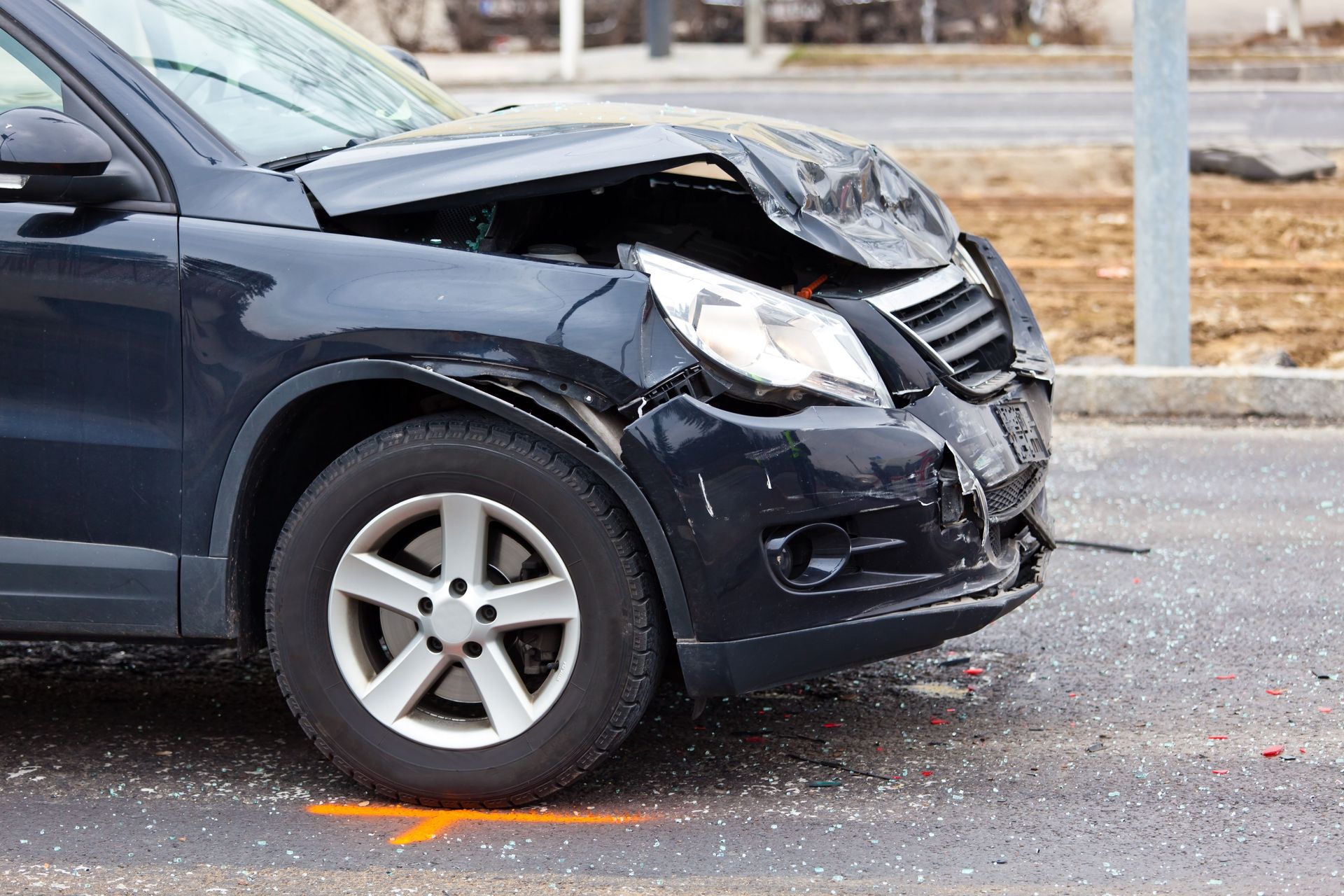
Dents are one of the most common outcomes of collisions, whether caused by low-speed impacts, parking lot incidents, or falling debris. These can range from small indentations to large areas of crumpled metal affecting doors, hoods, or quarter panels.
Panel deformation can interfere with how doors close, how windows seal, and how structural components align. Left unresolved, these issues may worsen over time due to vibration and continued use.
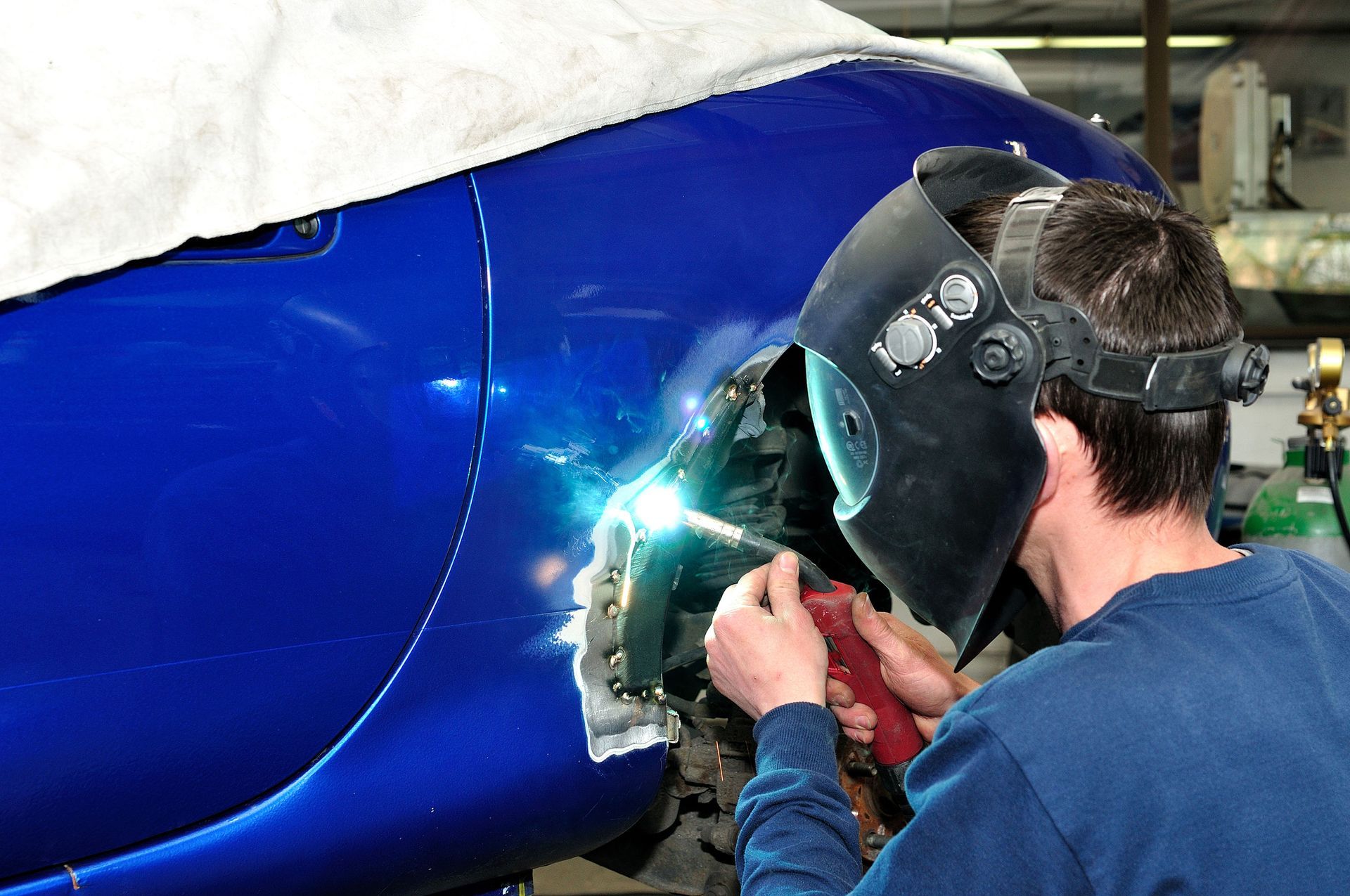
Collision repair professionals evaluate the severity of the dent and determine the appropriate method, whether reshaping, panel replacement, or structural correction. Addressing denting promptly helps preserve the vehicle's integrity and prevents additional complications.
Detecting Frame and Structural Misalignment
Structural damage is among the most serious types of vehicle damage. The frame acts as the foundation of the entire vehicle, supporting weight distribution and crash protection systems. Even a slight misalignment can affect handling, tire wear, and overall safety.
Frame damage often occurs during moderate to severe collisions, but may not always be immediately visible. Signs can include uneven gaps between panels, steering issues, or abnormal noises while driving.
Professional collision repair facilities use precision measuring systems to detect deviations in the frame. Specialized equipment and technical expertise are required to correct these issues and restore the vehicle to manufacturer specifications.
Evaluating Suspension and Steering Damage
The suspension and steering systems are highly sensitive to impact. Collisions involving curbs, potholes, or other vehicles can damage components such as control arms, struts, tie rods, and alignment angles.
Drivers may notice symptoms like pulling to one side, uneven tire wear, or a rough ride. These issues not only affect comfort but also compromise control and braking performance.
Because these systems are directly tied to vehicle safety, professional evaluation is critical. Collision repair technicians diagnose the extent of the damage and restore proper alignment and component function to maintain safe driving conditions.
Examining Glass and Windshield Impact
Cracked or shattered glass is another frequent result of collisions. Windshields, side windows, and rear glass can all be affected by direct impact or flying debris.
Even small cracks in a windshield can spread quickly due to temperature changes and road vibrations. Beyond visibility concerns, the windshield also contributes to the structural strength of the vehicle, particularly in rollover scenarios.
Collision repair professionals assess whether repair or replacement is necessary based on the size, location, and severity of the damage. Addressing glass damage promptly helps maintain both safety and clarity on the road.
Investigating Lighting and Electrical Damage
Modern vehicles rely heavily on electrical systems, including sensors, cameras, and advanced lighting components. According to Consumer Affairs, the most common categories of auto repairs include issues with the electrical system, cooling system, engine, and transmission, as well as fuel-related issues. Collisions can disrupt these systems, even if the damage appears minor externally.
Headlights, taillights, and signal indicators are often damaged in front- or rear-end collisions. In addition, internal wiring or electronic modules may be affected, leading to malfunctions that are not immediately obvious.
Because electrical systems are complex and interconnected, professional collision repair is necessary to properly diagnose and restore functionality. This includes calibrating sensors and verifying that all safety systems operate as intended.
Addressing Bumper and Impact Absorption Damage
Bumpers are designed to absorb and dissipate impact energy during collisions. While they may appear intact after a minor accident, internal components such as impact absorbers or reinforcement bars can still be compromised.
Damage to the bumper system reduces its ability to protect the vehicle in future collisions. It may also affect alignment with adjacent panels and sensors embedded within the bumper.
Collision repair professionals inspect both the visible and internal components of the bumper system. Proper repair or replacement helps maintain the vehicle's protection.
Reviewing Damage to Doors and Entry Points
Vehicle doors and entry points are especially vulnerable during side-impact collisions. Damage may include dents, misalignment, broken hinges, or compromised locking mechanisms.
When doors do not close properly or seals are damaged, it can lead to water intrusion, wind noise, and reduced cabin insulation. In more severe cases, structural damage may affect side-impact protection.
Professional collision repair involves realigning or replacing damaged components to restore proper function. This helps maintain both comfort and safety for occupants.
Analyzing Damage to the Cooling System
The cooling system is often located near the front of the vehicle, making it susceptible to damage in front-end collisions. Radiators, hoses, and cooling fans can all be affected by impact.
Damage to the cooling system can lead to overheating, which poses a serious risk to engine performance. In some cases, leaks may not be immediately visible but can worsen over time.
Collision repair professionals conduct thorough inspections to identify leaks, cracks, or misaligned components. Addressing these issues early helps prevent more extensive mechanical damage.
Recognizing Hidden Internal Damage
Not all collision damage is visible. Internal components such as the engine, transmission mounts, and safety systems can be affected even in seemingly minor accidents.
Hidden damage may manifest later in the form of unusual noises, reduced performance, or warning lights on the dashboard. Without proper inspection, these issues can go undetected and lead to costly repairs down the line.
Professional collision repair includes comprehensive diagnostics to uncover underlying problems. This approach provides a complete picture of the vehicle's condition and supports long-term reliability.
Vehicle damage is rarely isolated to one area. A single collision can affect multiple systems simultaneously, from structural components to electronics. Attempting to evaluate or address these issues without professional expertise increases the risk of incomplete or incorrect repairs. Certified collision repair technicians use specialized tools, manufacturer guidelines, and advanced diagnostic equipment to restore vehicles properly. This process not only improves appearance but also reinstates safety features and performance standards.
Choosing professional collision repair also supports vehicle resale value and helps prevent recurring issues. Accurate repairs today reduce the likelihood of more extensive damage in the future. Understanding the different types of vehicle damage highlights the importance of timely and professional attention after any collision. From cosmetic flaws to structural concerns, each issue plays a role in the overall condition and safety of the vehicle.
For drivers seeking dependable collision repair solutions, working with the qualified team at Collision Concepts provides a clear path forward. Schedule a professional inspection today to address your vehicle's needs.